

G7 Yield Intervention

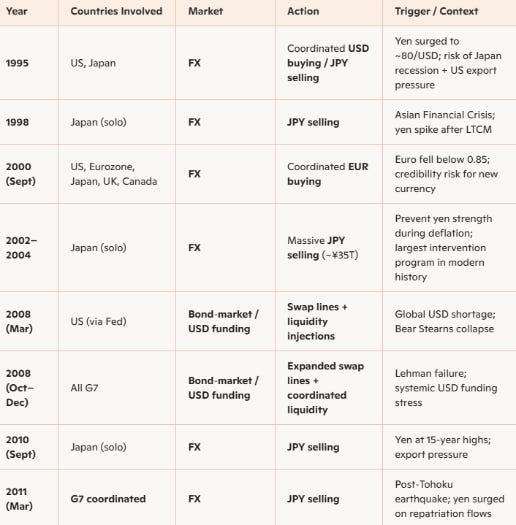
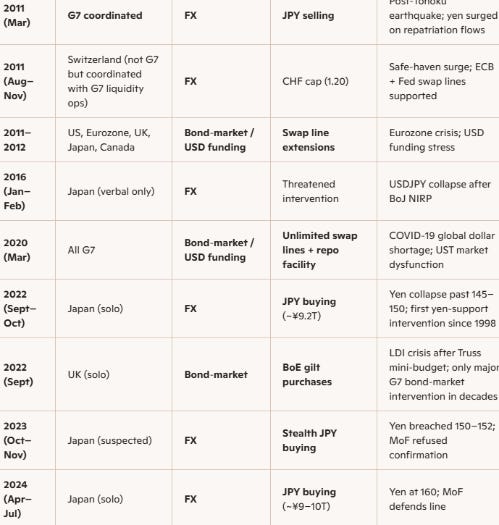
The G7 is going to “discuss” the rise in bond yields, which typically signals some form of intervention. That said, the G7 has often addressed foreign exchange, as it has historically. In 2008 and 2022, there were specific G7-directed interventions in the bond market (see Table 1).
With yields surging to levels not seen in 20 to 30 years, the G7 can affect rates more broadly. Some central banks, such as the ECB, have specific sovereign-bond tools (Transmission Protection Instrument & Outright Monetary Transactions). Still, others must rely on asset purchases, which can have inflationary consequences.
A G7 statement on “unwarranted” moves in sovereign bond yields may not go far. Ultimately, investors want credible action, which is currently hampered by an equal surge in inflation.
The G7 discussion of yields at the meeting on May 18-19 in Paris comes at a unique moment of a new Fed chair and central banks considering rate hike(s).
Table 1: G-7 intervention history
Source: G7, IMF
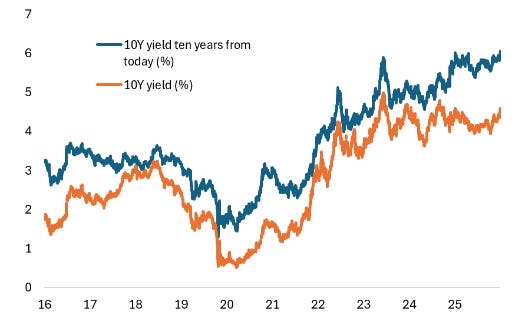
As a result of those dynamics, the 10Y yield, discounted back 10 years, is trading above 6 percent, a sign that rates are at risk of becoming unhinged. The Treasury “basis” (futures versus cash), which the Fed has scrutinized, is at risk of disruption again if yields on the long bond jump further above 5 percent.
Figure 2: 10-year yield ten years from today (%)
Source: US Treasury
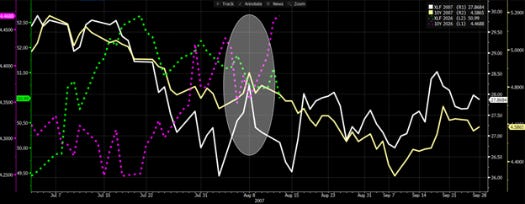
Finally, some see a repeat of the August 2007 “VAR shock” of surging Treasury yields forced a sharp unwind of quant long/short equity funds. This event caused high volatility, exploding correlations, and forced deleveraging across many firms.
The closing of QVR Advisors, a multi-strategy volatility hedge fund, after delivering 30% in losses, comes at a juncture when bond yields are crossing pivotal levels. It is a symptom of rising leverage risk.
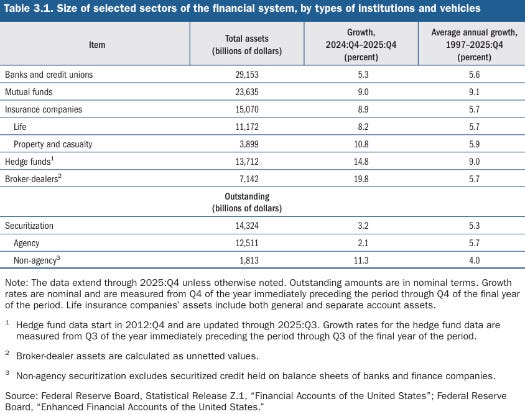
Financials dove in August 2007 and, to some degree, display a similar pattern (Figure 3). If yields continue to surge, financial system risks could rise because of excessive leverage, as the Fed’s financial stability report noted (see Figure 4).
A G7 “discussion” on rates can’t stop this process, which means yields can reach uncomfortable levels that adversely affect (leveraged) and (over)valued equities.
Figure 3: 10Y yield and XLF in 2007 and 2026
Source: Ishares, US Treasury
Figure 4: Financial system leverage
Source: Federal Reserve